Introduction – Welcome to Bee Natural
Bee Natural – Beekeeping with the Warré Hive, by Mike Davies, Boglands Bees
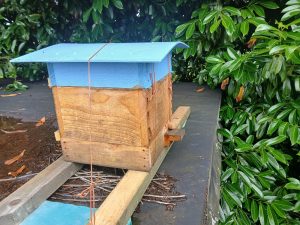
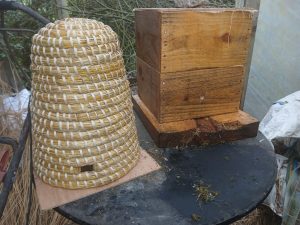
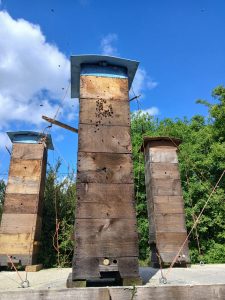
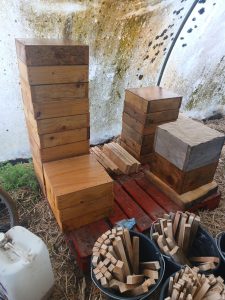
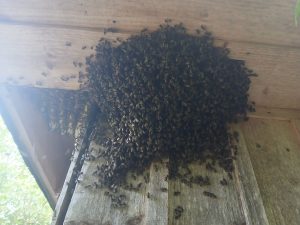
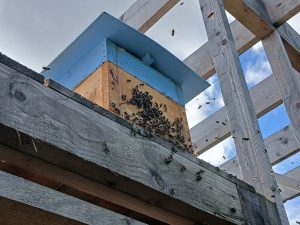
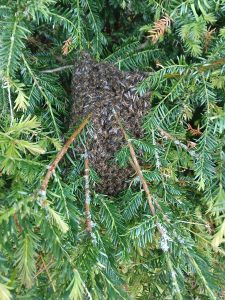
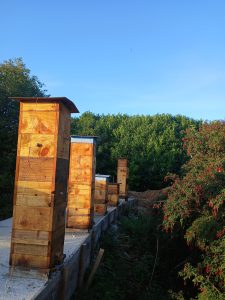
Honey bees were living in hollow trees and old walls in Ireland long before anyone built a hive for them, and wild colonies still turn up in chimneys, church towers and old sheds around the midlands. The Warré hive tries to give bees a home as close as possible to that kind of cavity, while still being something a beekeeper can build, lift and harvest from.
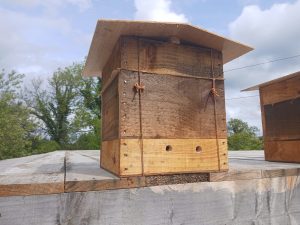
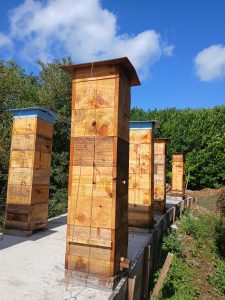
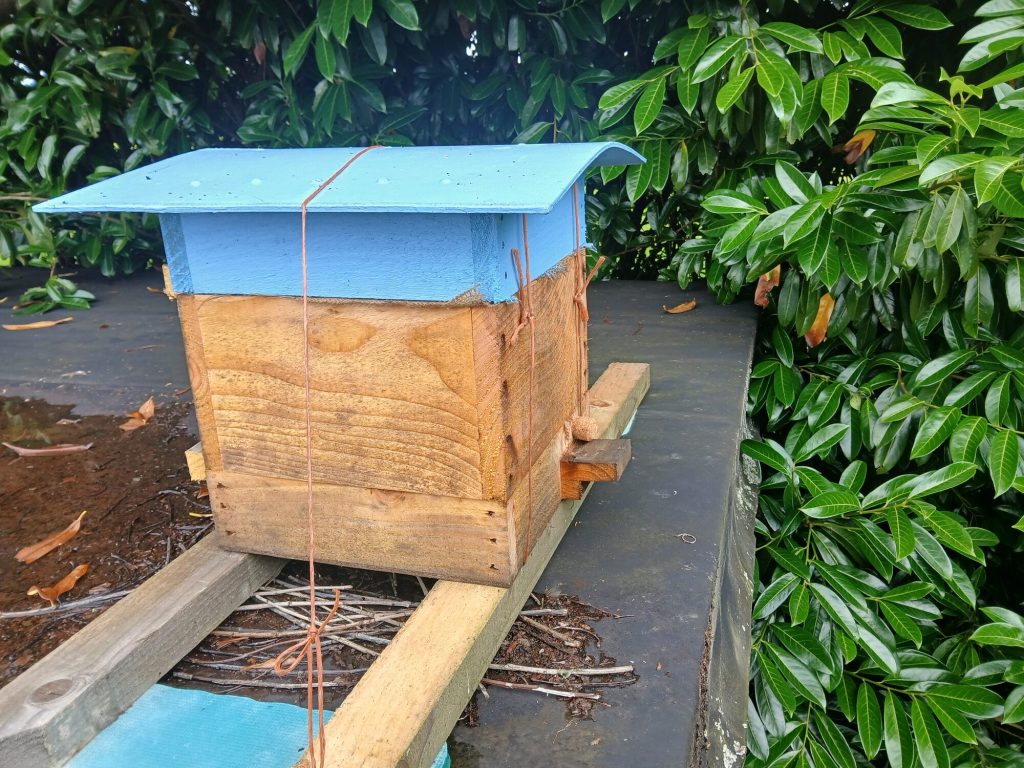
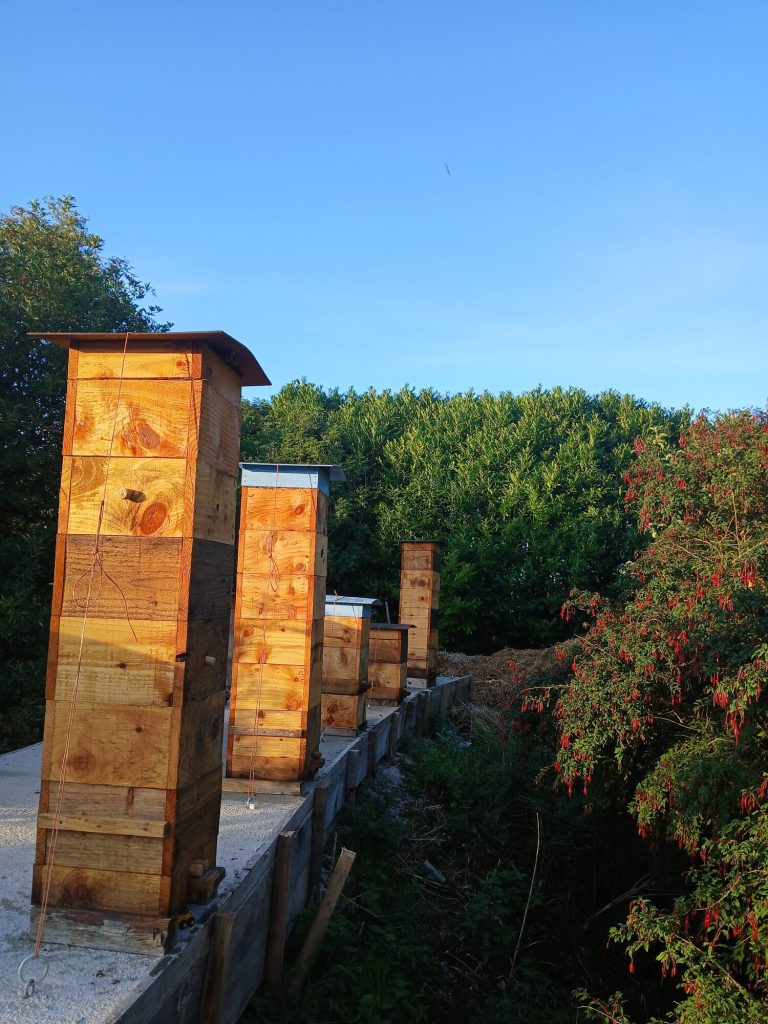
The hive was designed by the French priest Abbé Émile Warré, who called it la Ruche Populaire, the People’s Hive. He wanted a hive any household could make cheaply and look after without much fuss.
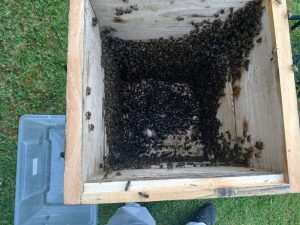
This book is a practical guide to keeping bees that way in Ireland. We keep intervention to a minimum, use no routine chemicals, let the bees build their own comb, and work with their instincts rather than against them. It’s written for complete beginners in Offaly and beyond, and for experienced beekeepers who want to try a more bee-centred approach.
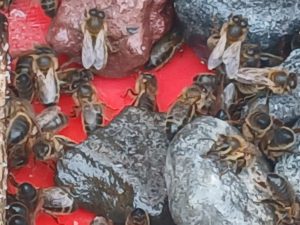
Natural beekeeping won’t suit everyone. You’ll usually take less honey than from a busy frame hive, and you have to be willing to watch and wait. In return you get colonies that are left to get on with their lives, very little equipment to buy, and a good reason to spend time watching the bees at the hive entrance.
How to use this book. Each chapter starts with a short “In this chapter” box and ends with links to the previous and next chapters and the contents. The appendices at the end of Chapter 13 hold the kit list, the cutting list, a month-by-month calendar for Ireland, a glossary, forage plants and the Irish rules in one place.
A note on the law. Every beekeeper in Ireland must report certain bee diseases and suspected Asian hornets. If you take honey to sell or supply, you must also register with the Department of Agriculture, Food and the Marine (DAFM) and label the honey correctly. Anyone who chooses to treat their bees may use only authorised medicines and must keep records. They’re covered where they come up and summarised in Appendix F. The rules change, so check the DAFM and HPRA websites for the current position.